
Understanding Wood Grades
This Won’t be Going on Your Permanent Record
No, this isn’t an indication of our wood’s academic performance, or yours. It’s a way of communicating to you what features you will find on our wood products.
Every piece of wood is unique. Different grades of wood are applicable in some use cases, while they just won’t work in other cases. Our Legacy White Oak grades offer three distinct expressions of natural character, from clean and refined to rich and expressive, so we will use it as an example here.
Wood Grades
SELECT
Clean - Refined
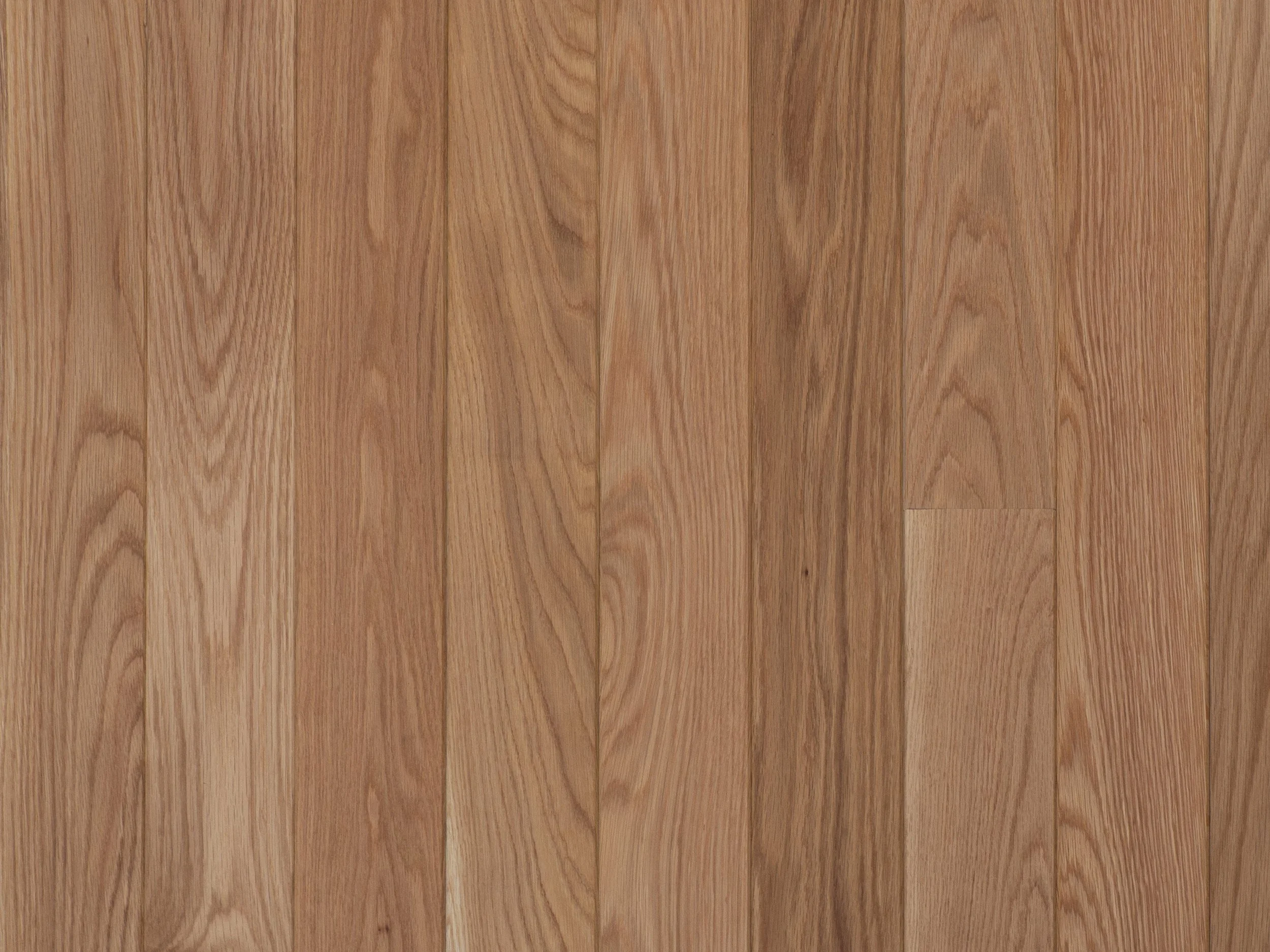
• Color and grain variation
• Limited bright sapwood
• Occasional small pinknots
• Occasional burls
• Very limited open voids (filled with black epoxy)
LIGHT CHARACTER
Natural - Balanced
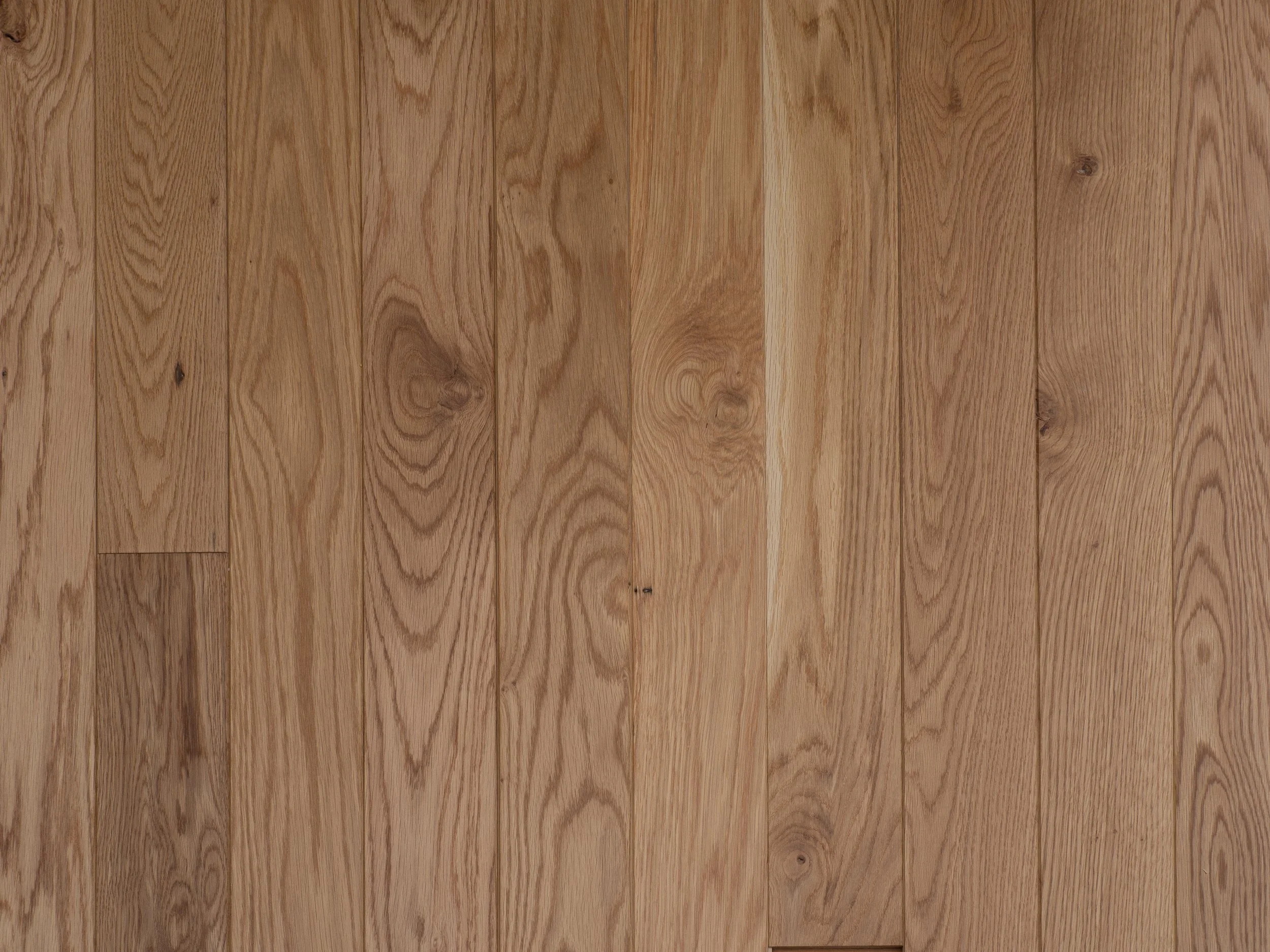
• Unlimited color variation
• Bright sapwood
• Knots up to 1” in diameter, split or open knots up to ó” diameter
• Occasional checking or splits
• Oxide stains and other natural discolorations
RUSTIC
Expressive - Organic
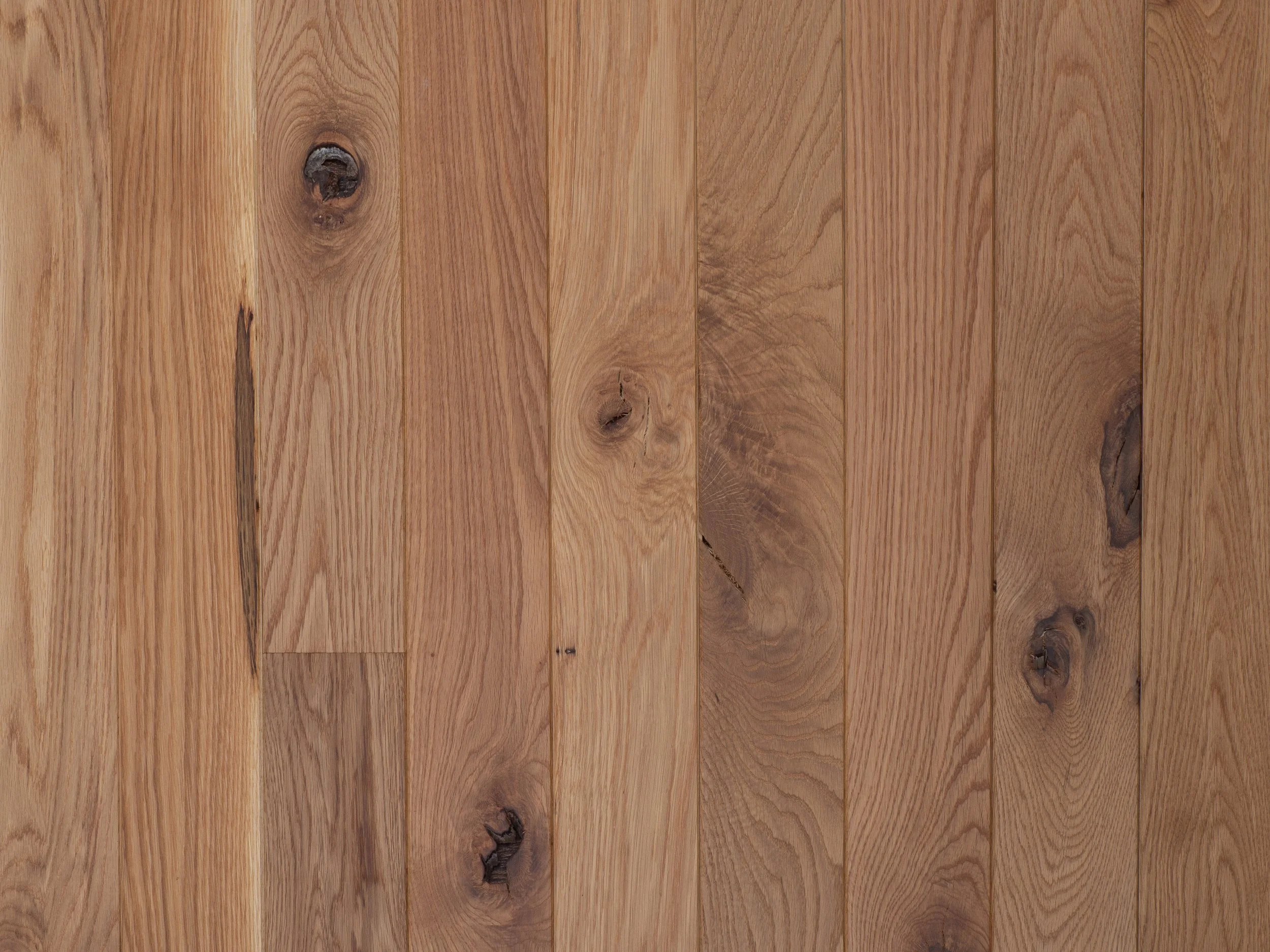
• Unlimited color variation
• Bright sapwood
• Mineral streaking and oxide stains
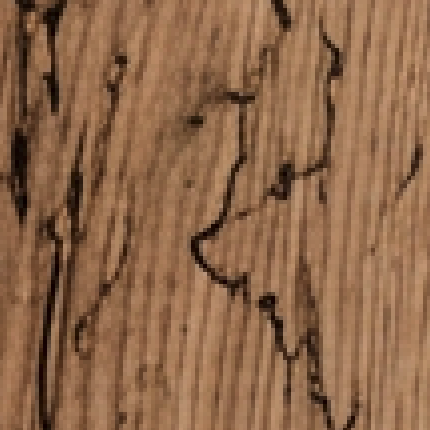
• Spalting
• Knots of all sizes
• Open and split knots
To clarify the terms used above for grading, here is what we mean:
Character Features
Sapwood
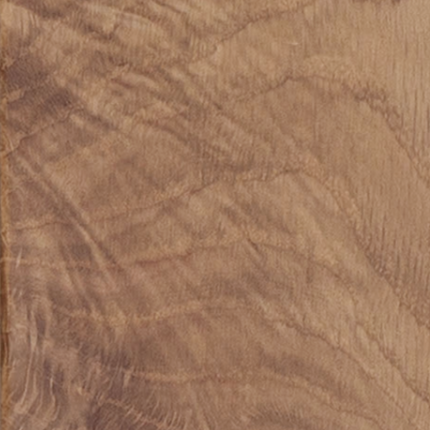
Burl
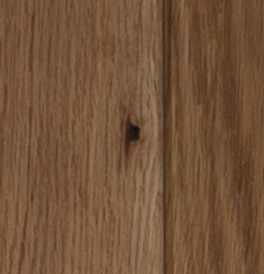
Pin knot
Sapwood differs from heartwood in trees as it is the outer layer between the heartwood and the bark. It is the active layer where water and nutrients are transported. It eventually becomes heartwood as the tree trunk grows.
Burls form in trees as a reaction to severe stress, injury, or infection. The cambium layer goes into overdrive, producing an over-abundance of wood cells in the area.
Pin knots in wood are tiny dark spots—generally under 1/2 inch wide—created by twigs, buds, or minor shoots that become embedded in the trunk as the tree grows.
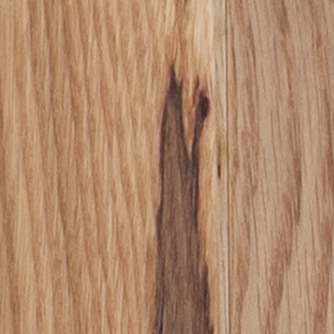
Streak
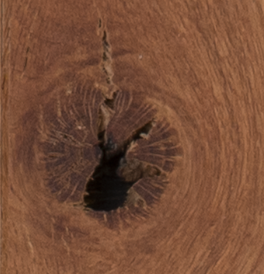
Split Knot
Spalting
Streaks can be caused by oxidation from nails or other metal left in contact with the wood or other mineral reactions caused by disease, damage, or other events that the tree was managing.
Split Knots generally happen where branches protruded from the trunk of the tree. The wood in those areas dries and ages differently from the surrounding wood, creating tension. Repeated cycles of heating and cooling or moisture buildup and release can cause the area to become brittle and break apart.
Spalting is caused by fungi colonizing wood and creating color patterns. This can happen because a live tree is under stress or dying. The process is stopped by drying the wood, but leaves this tell-tale evidence that it occurred.